Table of Contents
Quick answer: why tin box prices vary
Custom tin box pricing usually changes because of:
01 Quantity (setup costs get split across your order)
02 Tinplate thickness (more steel equals higher cost)
03 Size and structure (complex shapes take more steps)
04 Tooling (existing mold versus new mold)
05 Printing coverage and colors (outside only versus inside plus outside)
06 Special effects (emboss, deboss, matte, metallic, spot varnish etc.)
07 Quality requirements (color control, scratch control, lid fit etc.)
08 Packaging method and shipping (protective packing changes carton size and freight)
In tin box manufacturing, many costs are fixed — especially printing setup — no matter how many pieces you make (printing setup, production setup, etc.).
So when the quantity is low, those fixed costs get shared by fewer pieces. Your price per piece goes up.
Typical MOQ for our custom tins: 5,000 pcs
We provide tiered pricing based on volume
If you are not sure about the right quantity, tell us your sales plan and packing method. We can suggest a quantity that balances unit price and inventory risk.
Existing molds vs new tooling
Tooling matters because a new mold adds cost and takes longer to confirm.
At TDTIN, we have 3,000+ existing molds. Many common shapes and sizes can be made without new tooling cost.
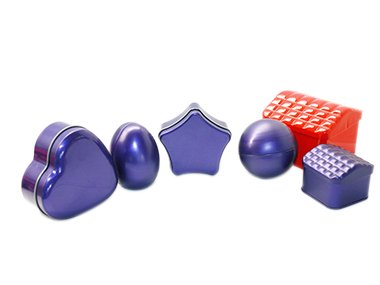
Structure also matters
Some structures are naturally more complex:
deeper draw parts
tighter tolerance lid fit
special lid types
multi-piece assemblies
If two tins look “similar”, but one needs more steps or tighter tolerance, the price will be different.
Some tins also require extra components like handles or inner trays, which add cost.
To help your spec, you can reference our lid options here:
https://tdtin.com/eight-different-lids-for-your-selection/
Thickness affects strength and cost.
In most custom tin boxes, 0.23mm is the most common choice.
Typical selection logic:
0.20mm: often for small tins (cost-sensitive, light products)
0.23mm: most common, good balance
0.25mm / 0.28mm / 0.30mm / 0.32mm+: often for large tins or when you need higher strength (shipping pressure, stacking, premium feel)
If you tell us your tin size and shipping method, we can recommend a safe thickness.
Printing is one of the main reasons prices vary.
Price changes with:
number of colors
printing coverage (full wrap vs small logo)
spot colors vs CMYK
surface finishes (gloss, matte, spot varnish)
metallic effects
inside printing (double-sided printing)
Outside only vs inside + outside
If you need printing on the inside of the tin, it’s usually double-sided printing, and it adds cost.
For many projects, inside printing is not necessary.
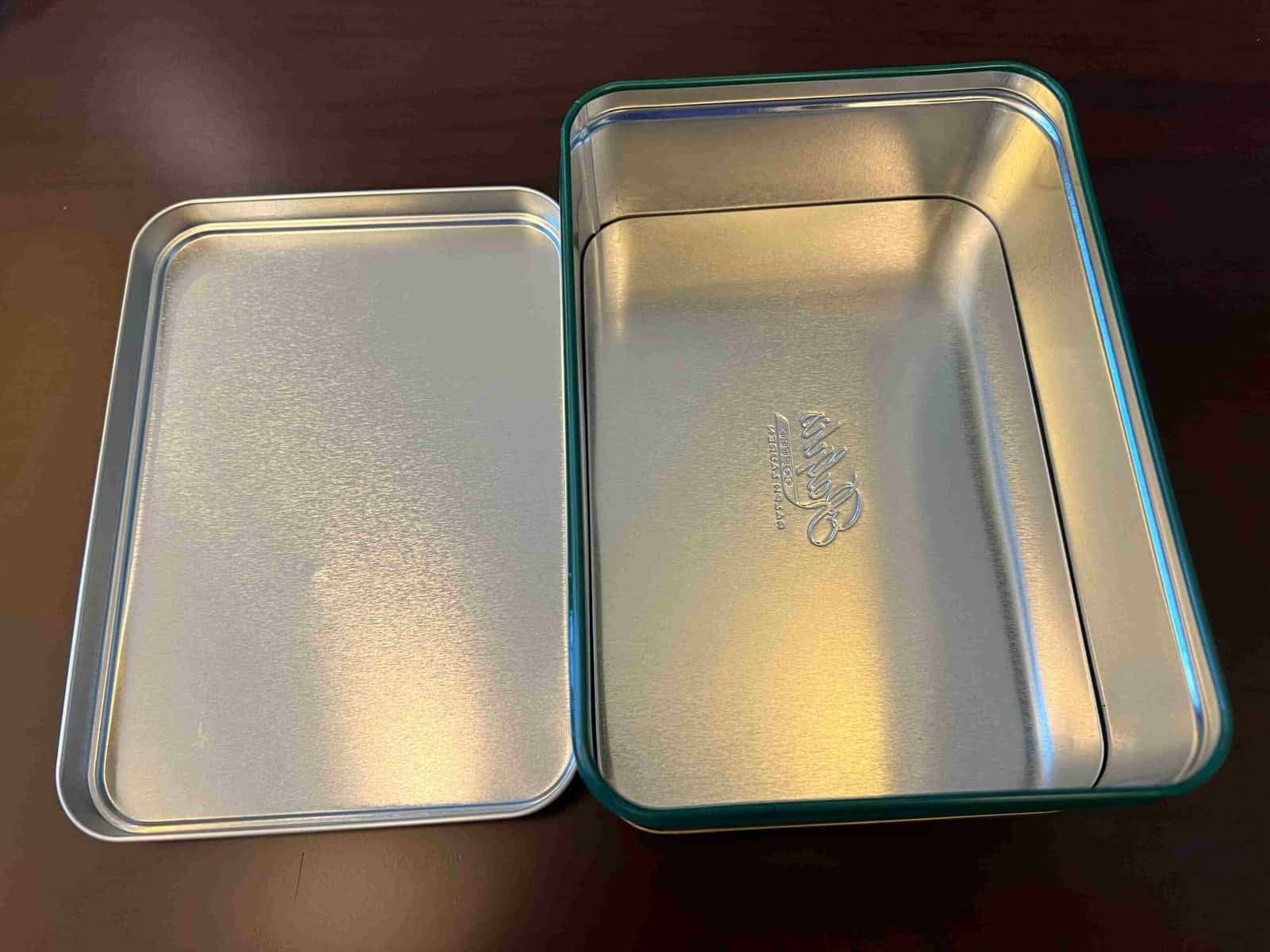
Most buyers choose a simple inside finish:
gold lacquer
or silver (tin color) clear varnish inside
This is clean, practical, and cost-effective.
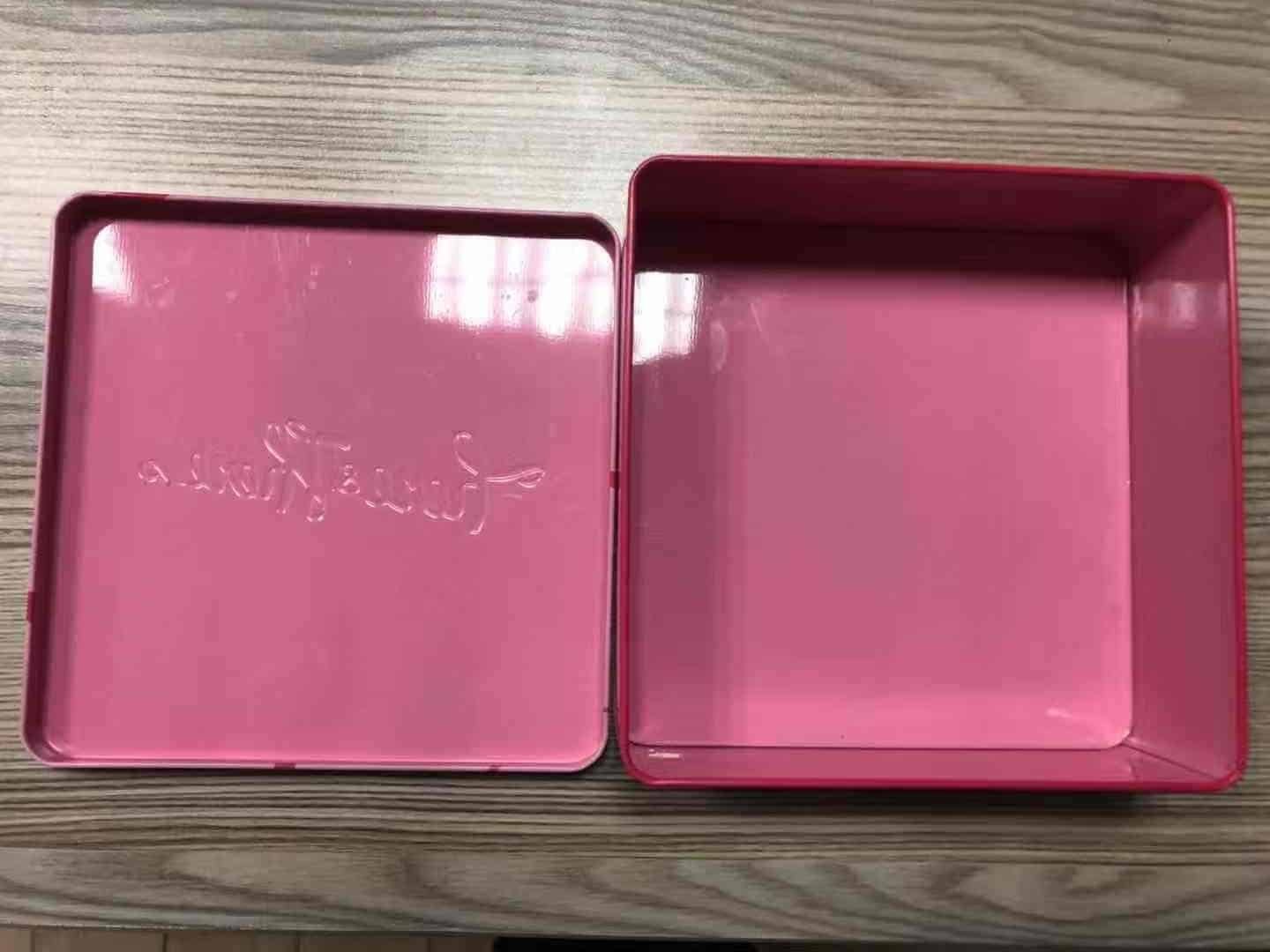
Tin box inside finish: silver clear varnish
Spot color inside and outside printing
Artwork handling (fast options)
If you already have print-ready artwork (AI/PDF), we can work fast.
Option 1: Effect drawing (fast)
We put your artwork on our die-line and make the effect drawing. You can check it on your computer or phone. This step can be finished in about 8 hours after we receive your artwork.
Option 2: Plastic 3D mockup (for new tooling risk control)
Useful when you open a new mold and want to confirm size before spending thousands of dollars on tooling.
Related internal link: https://tdtin.com/one-way-to-avoid-wasting-money-in-creating-new-tooling/
For many brands, the biggest risk is not the first order. It’s the second order.
If batches are not consistent, you get problems in the market.
In our QC system, we focus on:
color deviation
scratches
lid fit (too loose or too tight)
edge burrs
rust spots
We control quality in three stages:
Incoming inspection (tinplate surface, coating, basic dimensions)
In-process QC (lid fit, alignment, surface checks)
Pre-shipment QC (color consistency vs approved sample; full inspection for key orders; carton drop test)
If you want stable reorders, QC is part of the real cost.
Packaging changes your freight cost because it changes carton size, weight, and damage risk.
Simple packing (lower cost)
Good for short-distance or low-risk shipments.
Protective packing (lower damage)
For bulk orders, we can upgrade protection:
each tin in paper or OPP bag (reduces scratches)
layer boards between layers (reduces pressure marks)
inner box dividers / foam (fixes position)
stronger outer cartons + strapping
pallets for LCL shipments
If you have strict requirements (anti-scratch / anti-fingerprint / anti-dent), tell us at the quoting stage.
| Item | What to send |
|---|---|
| Size | L × W × H (mm) or diameter × height |
| Shape | round / square / rectangular / custom |
| Lid type | hinged / slip lid / screw lid / inner lid / etc. |
| Tinplate thickness | Usually 0.23mm (small tins may use 0.20mm; large tins may use 0.25mm / 0.28mm+) |
| Artwork file | AI / PDF (print-ready if possible) |
| Printing | outside only / inside + outside / CMYK / spot colors |
| Special effects | emboss / deboss / matte / metallic / spot varnish |
| Inside finish | gold lacquer / silver (tin color) clear varnish / inside printing |
| Quantity | your target order quantity |
| Packaging | simple / each in bag / dividers / pallets |
| Destination | country + shipping method |
| Use case | food / gift / cosmetics / cannabis / etc. |
Frequently Asked Questions
1) What is your MOQ for custom tin boxes?
Our typical MOQ is 5,000 pcs for custom tins.
2) Can you give a tin box price per piece?
Yes. But we need your size, quantity, printing, and packing requirements first.
3) Why is my small order much more expensive?
Because setup costs are fixed. When quantity is low, the setup cost per piece is higher.
4) Does embossing/debossing increase the cost a lot?
It adds cost because it needs extra tooling and steps. The impact depends on your size and design.
5) Do I need printing inside the tin?
Not always. Inside printing is usually double-sided printing and costs more. Most buyers choose a simple inside finish: gold lacquer or silver (tin color) clear varnish.
6) What thickness should I choose?
Most tins use 0.23mm. Small tins may use 0.20mm. Large tins may use 0.25mm / 0.28mm+. Tell us your size and shipping method. We’ll recommend a safe thickness.
7) How fast can you make a sample?
Sample lead time is usually about 14 days, depending on structure and printing.
8) How do you control color difference?
We control it by incoming checks, in-process checks, and pre-shipment checks against the approved sample.
9) How do you prevent scratches and dents during shipping?
We can upgrade packing: OPP bags, layer boards, dividers/foam, stronger cartons, and pallets.
10) Do you offer tiered pricing?
Yes. We provide tiered pricing based on your volume.
Get a Fast Quote (Reply in 8 Hours)
Expert advice for your tin size, lid type and printing
Cut costs by buying direct from the factory (no middleman)
3,000+ existing molds to save tooling cost
Walmart / Amazon / CVS audited factory for stable quality
B2B Custom Manufacturing Only
(MOQ usually 5,000 pcs)